




-

Carbon and Energy Management
OCS helps customers in Asia Pacific and the Middle East understand energy use, identify inefficiencies and develop practical measures to improve energy and carbon performance.
What Sets OCS Apart
We connect energy management with the buildings, assets and engineering systems that influence day-to-day consumption.
-
Energy and Asset Data
Energy and asset data help our teams identify inefficiencies, monitor performance and prioritise opportunities for improvement.
-
Engineering Expertise
Engineering expertise supports practical measures across building systems and assets, linking energy recommendations to operational requirements.
-
Clear Reporting
Reporting provides customers with clearer evidence of energy and carbon performance and progress against agreed objectives.
Carbon and Energy Management Capabilities
Energy insight and engineering expertise focused on consumption, cost, compliance and carbon performance.
-
Energy Audits and Assessment
Energy use and asset performance assessed to identify inefficiencies and improvement opportunities.
- Baseline Information – Available energy, asset and operational information gathered to understand current performance.
- Site Inspections – Plant rooms, building systems and operating practices reviewed on site.
- Performance Analysis – Identification of anomalies and inefficient operating conditions.
- Prioritised Opportunities – Findings ranked to show where improvement effort should focus first.
-
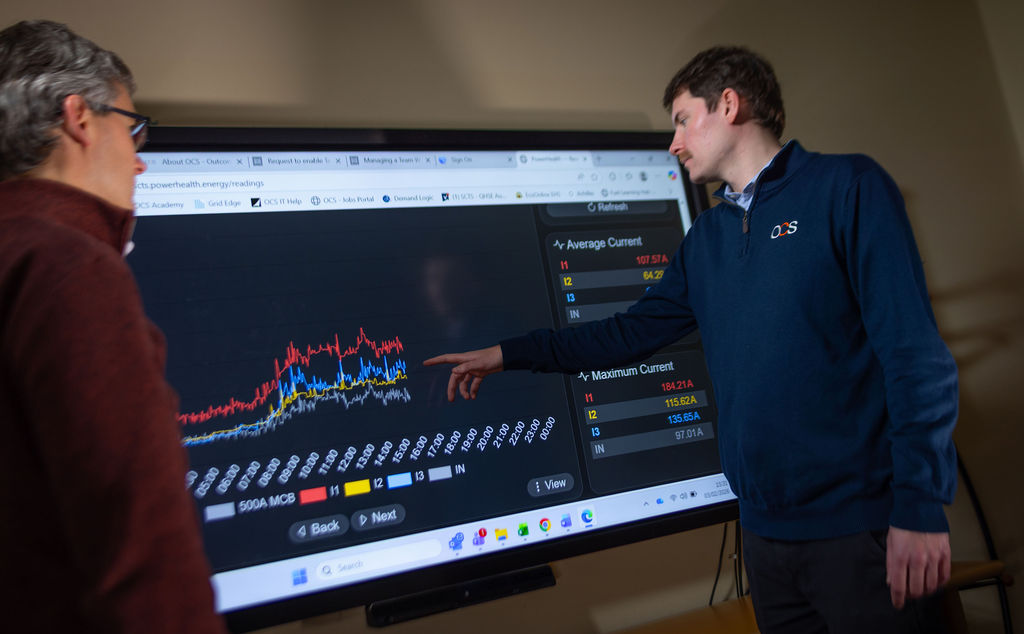
Energy Monitoring
Building and asset data provide greater visibility of consumption and changing performance.
- Connected Monitoring – Sensor and system data used to monitor relevant operating conditions.
- Consumption Profiles – Energy use tracked against operating hours and occupancy patterns.
- Performance Dashboards – Relevant data brought together to highlight trends and exceptions.
- Escalation – Defined action when conditions move outside agreed parameters.
-
Energy Compliance and Carbon Planning
Support for measuring and reporting energy use and carbon emissions, alongside reduction planning.
- Emissions Measurement – Carbon emissions calculated from energy data using agreed reporting methods.
- Reporting Requirements – Energy and carbon reporting aligned to applicable local requirements.
- Documentation – Records maintained to support internal and third-party audits.
- Progress Tracking – Performance reviewed against agreed objectives and reduction targets.
-
Smart Building and Asset Optimisation
Building and asset information helps identify opportunities to improve equipment and energy performance.
- Building Controls – Schedules, set points and control settings adjusted to match actual building use.
- HVAC Optimisation – Engineering-led adjustments to improve system performance.
- Condition Monitoring – Inspection and operational data used to identify changes in asset condition.
- Asset Registers – Structured asset information aligned to the maintained estate.
-
Energy Efficiency Projects
Engineering improvements developed around identified opportunities to reduce consumption and operating cost.
- Project Scoping – Scope, programme and site constraints agreed before works begin.
- Equipment Upgrades – Less efficient plant and equipment replaced or upgraded where justified.
- Planned Delivery – Works scheduled to limit disruption to occupants and daily operations.
- Post-Project Review – Consumption compared before and after works to measure the result.
-
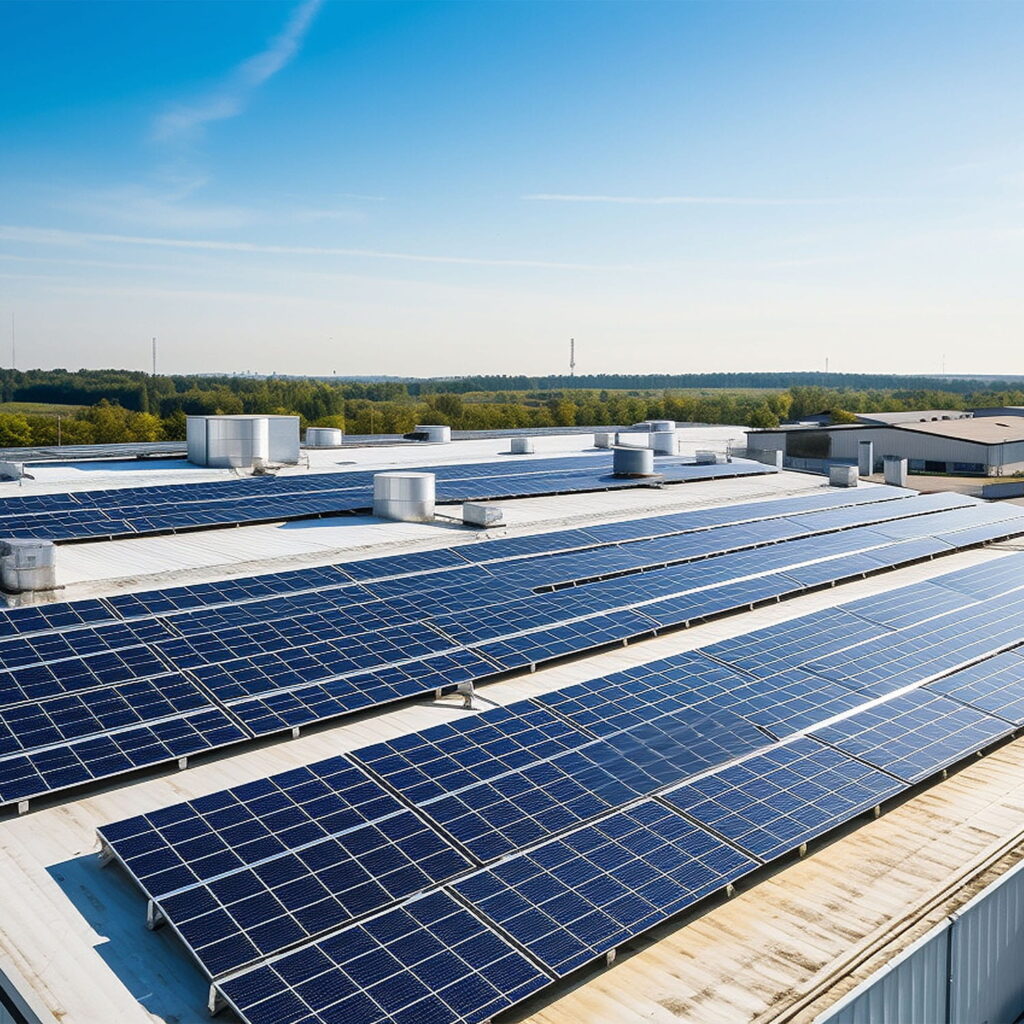
Decarbonisation Planning
Energy and engineering insight supports practical planning for lower-carbon buildings and operations.
- Option Appraisal – Alternative measures assessed for carbon impact, cost and practicality.
- Phased Roadmap – Improvements sequenced over time around budgets and operational priorities.
- Lifecycle Planning – Maintenance history and asset data informing repair, replacement and investment decisions.
- Ongoing Review – Roadmap updated as new performance information becomes available.
Carbon and Energy Management
Our Approach to Energy Management
A practical approach that turns energy data into prioritised actions and measurable performance.
Accreditations and Certifications
Industry-specific accreditations and certification enabling our teams to deliver consistency, compliance and best practice.
Insights, Articles and Case Studies
-
Data Centres | Facilities Management
In Data Centres, Keeping Cool Where It Matters Most
OCS Team
05 May, 2026
Read more -
Contract Win | Data Centres | Leadership
OCS Malaysia Awarded High-Voltage Operations Contract for New Data Centre Substation in Johor
OCS Team
24 Feb, 2026
Read more -
carbon tax | clean energy | Compliance | Environmental
Driving Decarbonisation Through Facilities Management
OCS Team
22 Jan, 2026
Read more -
Data Centres | Energy Services
Why Malaysia Is Becoming Southeast Asia’s Fastest-Rising Data Centre Hub
OCS Team
28 Oct, 2025
Read more -
Data Centres
5 Energy Efficiency Strategies for Data Centres in Malaysia
OCS Team
24 Aug, 2025
Read more -
Data Centres | ESG
Turning Strategy into Sustainable Operations – The ESG Blueprint for Data Centre
OCS Team
21 Jun, 2025
Read more
Talk to Our Energy Management Team
Discuss your energy use, building performance and improvement priorities with our team.
Frequently Asked Questions
-
We help customers understand energy use, identify inefficiencies and develop practical measures to improve energy and carbon performance. Services include energy audits and assessment, energy monitoring, energy compliance and carbon planning, smart building and asset optimisation, energy efficiency projects and decarbonisation planning.
-
Energy use and asset performance are assessed to identify inefficiencies and improvement opportunities. We establish the available energy, asset and operational information needed to understand current performance, then review consumption and asset performance to identify inefficiencies and improvement opportunities.
-
Yes. We support measuring and reporting energy use and carbon emissions, alongside reduction planning. Energy and engineering insight also supports practical planning for lower-carbon buildings and operations, and reporting provides customers with clearer evidence of energy and carbon performance and progress against agreed objectives.
-
Building and asset data provide greater visibility of consumption and changing performance. Energy and asset data help our teams identify inefficiencies, monitor performance and prioritise opportunities for improvement, and building and asset information helps identify opportunities to improve equipment and energy performance.
-
We develop practical measures around the priorities and operating requirements of the facility, including engineering improvements developed around identified opportunities to reduce consumption and operating cost. Engineering expertise links energy recommendations to operational requirements, and we monitor performance and use new information to inform the next areas for improvement.
-
OCS provides carbon and energy management support in Asia Pacific and the Middle East, including India, Saudi Arabia and the United Arab Emirates. In the Philippines, our hard services teams deliver energy management and technical projects, and in Indonesia and Malaysia, carbon, energy and ESG-aligned reporting forms part of integrated facilities management. OCS also serves customers in Thailand (PCS), Australia and New Zealand. Talk to our team to confirm the scope available at your sites.