




-
Rail Facilities Management
Cleaning, engineering and facilities services from OCS’s own teams in Asia Pacific and the Middle East, coordinated around passengers, operational schedules and critical assets.
Rail
Facilities Management Built Around Rail Operations
Rail facilities operate across live, safety-sensitive environments where service activity has to work around passengers, operational schedules and critical assets.
We coordinate facilities services around those requirements, with clear responsibilities, planned maintenance, defined service levels and performance reporting.
OCS in Numbers
-
11
Markets Across APAC & Middle East
-
8000+
Customers Supported Worldwide
-
97%
Customer Retention Rate Achieved
-
71
Industry Benchmark NPS Score
Our Rail Capabilities
Six areas of rail operation, shaped around the requirements of each facility.
-
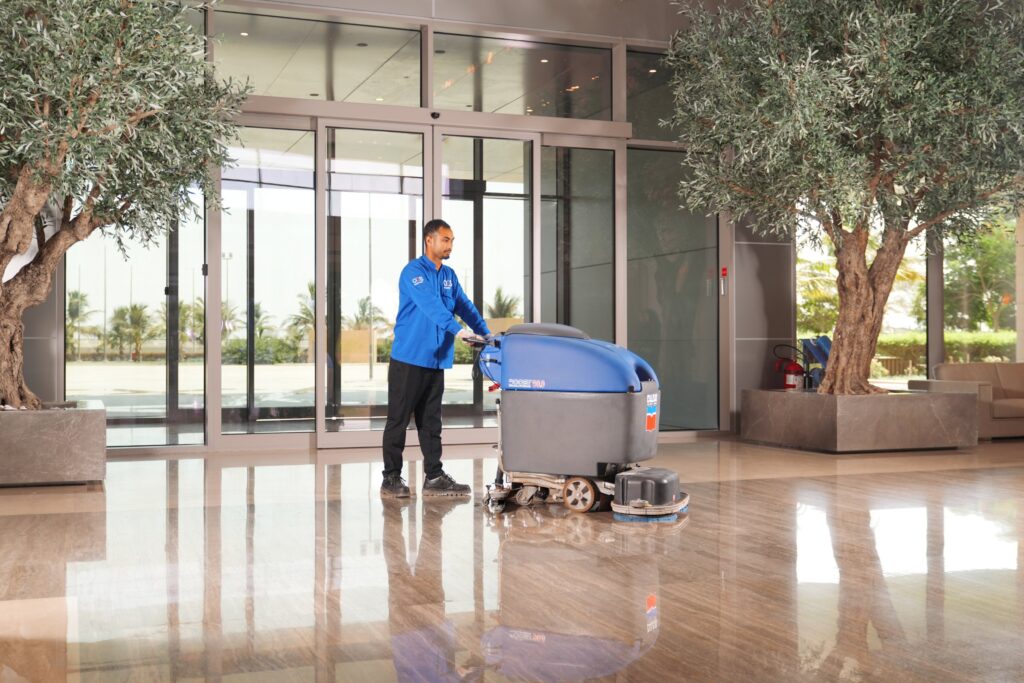
Cleaning and Presentation
Our teams maintain trains, stations and supporting facilities around operational schedules and passenger demand.
- Stations and Passenger Areas – Cleaning across public areas, facilities and high-footfall spaces.
- Train Cleaning – Interior and exterior cleaning where included within the local scope.
- Depots and Operational Facilities – Cleaning programmes aligned to the requirements of working environments.
- Specialist Cleaning – Planned services for less accessible or operationally sensitive areas.
-

Engineering and Asset Performance
Our engineering teams support the facilities and assets that rail operations depend on.
- Mechanical and Electrical Systems – Maintenance of relevant building and facility infrastructure.
- Planned Preventive Maintenance – Maintenance programmes aligned to asset requirements and operational priorities.
- Reactive Maintenance – Defined response and escalation for faults.
- Asset Lifecycle Planning – Asset registers, maintenance history and condition information supporting repair and replacement decisions.
-

Security and Operational Support
Where available within the local scope, security services support the safe operation of rail facilities.
- Guarding – On-site security aligned to the requirements of individual facilities.
- Access Control – Management of designated passenger, colleague and operational areas.
- Incident Management – Defined reporting, escalation and response procedures.
- Operational Coordination – Security activity aligned with wider facilities and site requirements.
-
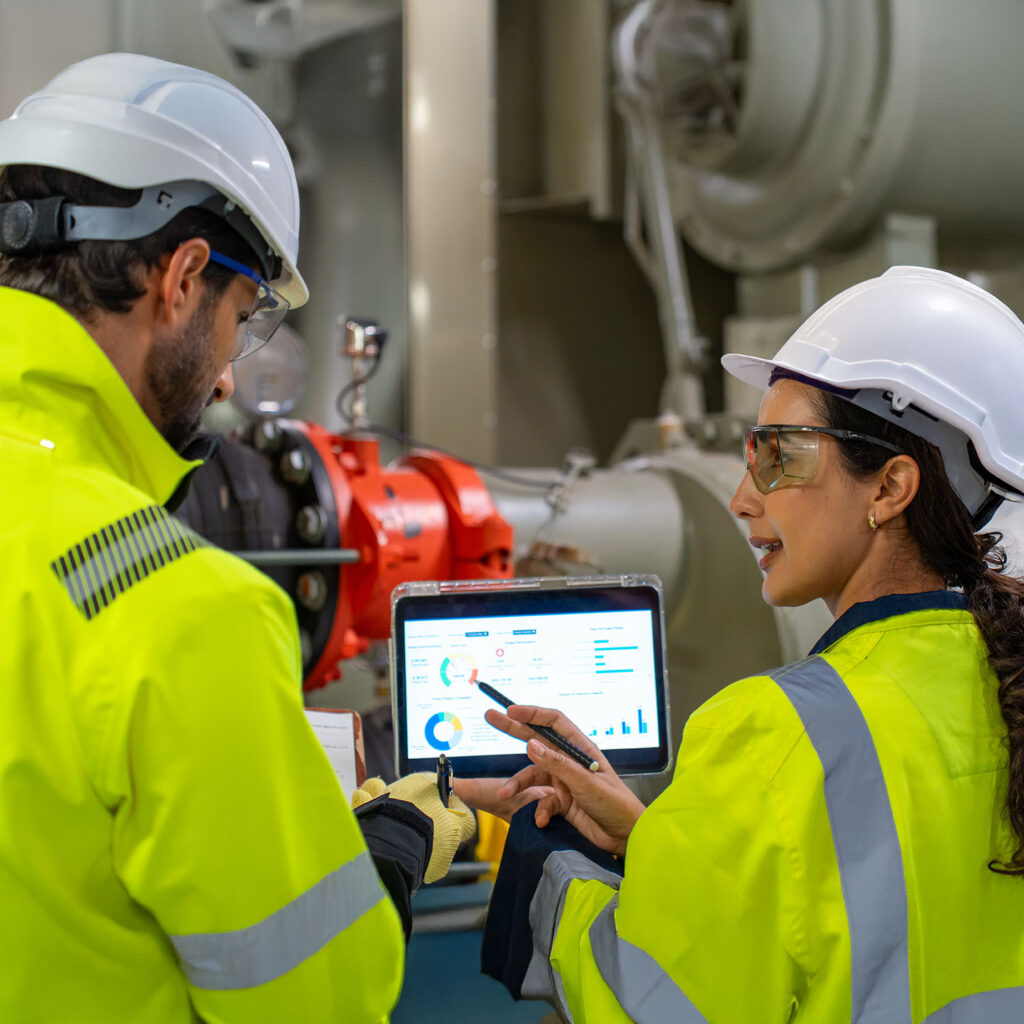
Integrated Facilities Management
We can coordinate relevant rail facilities services through a single operating framework.
- Single Accountability – Clear ownership across the agreed scope.
- Common Service Levels – Defined requirements across participating facilities and services.
- Performance Reporting – Shared KPIs and operational information.
- Service Coordination – Facilities activity planned around the needs of the operation.
-
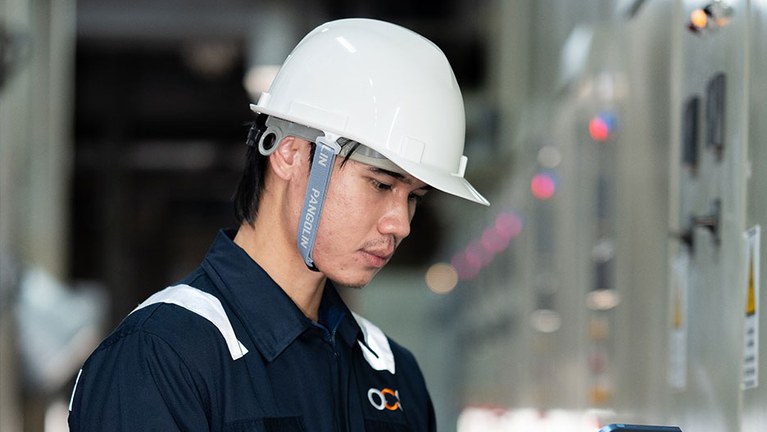
Compliance and Assurance
We use documented processes and service information to support operational control and audit readiness.
- Risk Assessments – Requirements documented around relevant activities.
- Inspections – Structured checks supporting service and compliance requirements.
- Task Verification – Records providing visibility of completed activity.
- Escalation – Defined routes for issues requiring action.
-
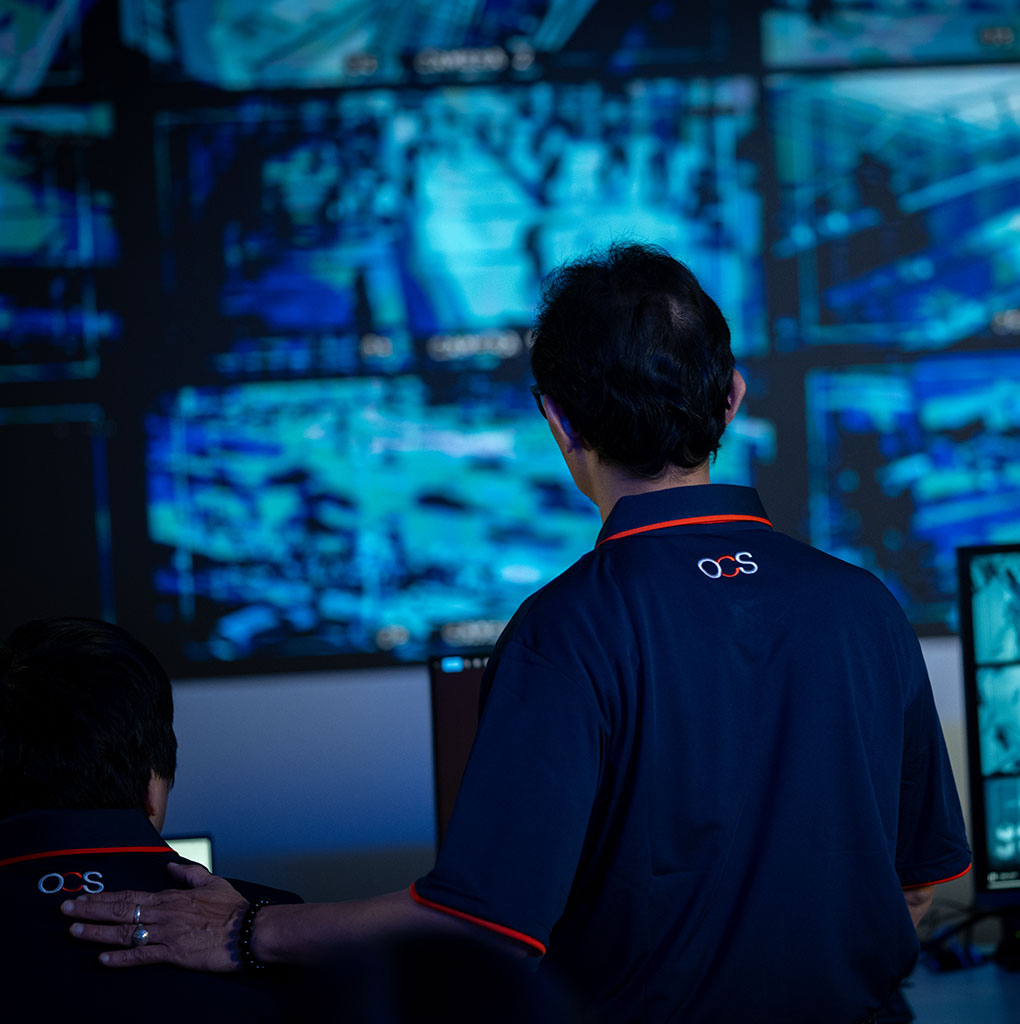
Technology and Operational Insight
We use operational and asset information to give facilities teams clearer visibility across service delivery.
- Maintenance Information – Planned and reactive work recorded for operational review.
- Asset Data – Maintenance history and condition information supporting asset decisions.
- Digital Service Records – Traceability across relevant facilities activity.
- Performance Reporting – Operational information brought together to support review and improvement.
Why OCS for Rail
Talk to Our Rail Team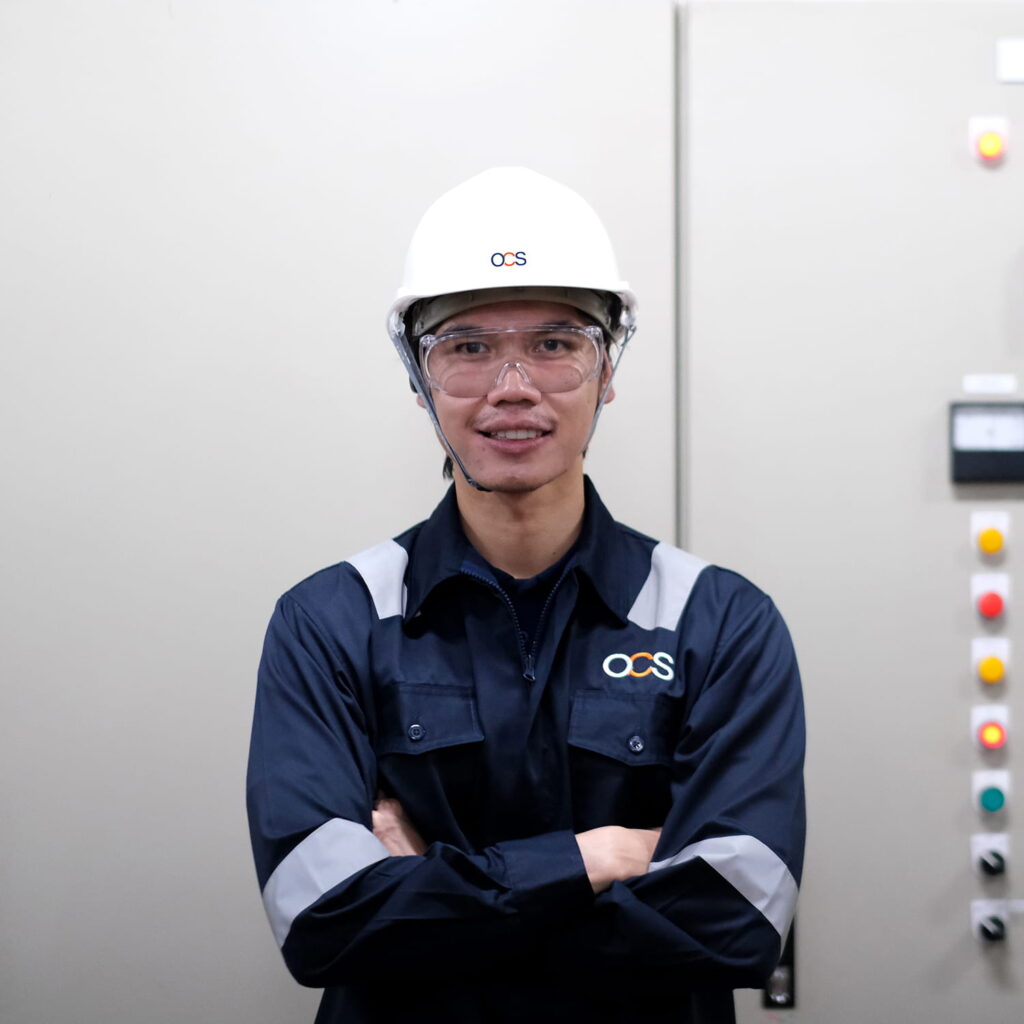
-
Self-Delivered Expertise
Our own teams work within the environments they support, bringing facilities expertise and clear accountability to day-to-day service delivery.
-
Technology Backed by Human Judgement
Asset, maintenance and service data provide greater visibility of facilities performance. Experienced teams use that information to prioritise activity, manage issues and support operational decisions.
-
Global Capability, Applied Locally
We draw on wider OCS expertise and working practices while adapting delivery to local regulations, operational requirements and the needs of each transport environment.
-
Self-Delivered Expertise
Our own teams work within the environments they support, bringing facilities expertise and clear accountability to day-to-day service delivery.
-

Technology Backed by Human Judgement
Asset, maintenance and service data provide greater visibility of facilities performance. Experienced teams use that information to prioritise activity, manage issues and support operational decisions.
-
Global Capability, Applied Locally
We draw on wider OCS expertise and working practices while adapting delivery to local regulations, operational requirements and the needs of each transport environment.
Accreditations and Certifications
Facilities Management News and Insights
The latest from our facilities management teams.
-

World FM Day 2026: The Operations Behind Workplace Reliability
OCS Team
13 May, 2026
Read more -
News
Building Belonging through Regenerative FM at World Workplace Asia-Pacific 2026
OCS Team
13 May, 2026
Read more -
Data Centres | Facilities Management
In Data Centres, Keeping Cool Where It Matters Most
OCS Team
05 May, 2026
Read more -
Innovation | Pest Control
Integrated pest management in Singapore and why prevention matters
OCS Team
04 May, 2026
Read more -
Health & Safety | Our People | Stand Up Take Action
Solving Problems, Reducing Risk: Guntur’s Initiative to Improve Workplace Safety
OCS Team
29 Apr, 2026
Read more -
QSHE
Why Workplace Safety Failures Start with Silence
OCS Team
28 Apr, 2026
Read more
Talk to Our Rail Team
Partner with a team that keeps your critical environments efficient, secure and performing at their best.
Frequently Asked Questions
-
We coordinate facilities services around the requirements of live, safety-sensitive rail environments, with clear responsibilities, planned maintenance, defined service levels and performance reporting. Our rail capabilities cover cleaning and presentation, engineering and asset performance, security and operational support (where available within the local scope), integrated facilities management, compliance and assurance, and technology and operational insight.
-
Yes. Our teams maintain trains, stations and supporting facilities around operational schedules and passenger demand, with cleaning across public areas, facilities and high-footfall spaces, interior and exterior train cleaning where included within the local scope, cleaning programmes for depots and operational facilities, and planned specialist services for less accessible or operationally sensitive areas.
-
Our engineering teams support the facilities and assets that rail operations depend on, with maintenance of relevant building and facility infrastructure, planned preventive maintenance programmes aligned to asset requirements and operational priorities, defined response and escalation for faults, and asset registers, maintenance history and condition information supporting repair and replacement decisions.
-
Yes, where available within the local scope. Security services support the safe operation of rail facilities, with on-site guarding aligned to the requirements of individual facilities, management of designated passenger, colleague and operational areas, defined incident reporting, escalation and response procedures, and security activity aligned with wider facilities and site requirements.
-
We use documented processes and service information to support operational control and audit readiness, including documented risk assessments around relevant activities, structured inspections supporting service and compliance requirements, task verification records providing visibility of completed activity, and defined escalation routes for issues requiring action.
-
Our own teams work within the environments they support, bringing facilities expertise and clear accountability to day-to-day service delivery. We draw on wider OCS expertise and working practices while adapting delivery to local regulations, operational requirements and the needs of each transport environment.
-
We use operational and asset information to give facilities teams clearer visibility across service delivery, including maintenance information recorded for operational review, asset data supporting asset decisions, digital service records providing traceability across relevant facilities activity, and performance reporting to support review and improvement.